
How modern hospitals can be sustainably converted to new energy centers during ongoing operations
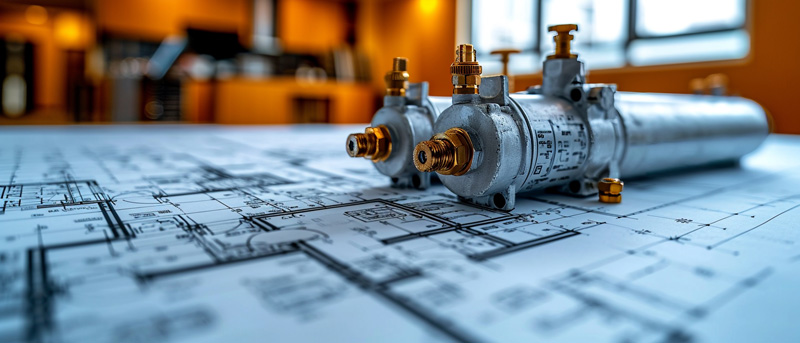
A practical example: the APESS study for the ISAR Clinic in Munich.
Why energy projects in hospitals are so challenging
Hospitals are among the most complex buildings in terms of energy management. They have to function around the clock – without exception and without downtime. At the same time, they are under pressure to reduce operating costs, become climate-neutral and ensure maximum security of supply.
Best practice
The APESS study for ISAR Klinikum München
In order to identify potential savings, the hospital commissioned energy consultant Waldemar Brauer (BESS Consulting) to carry out a comprehensive analysis of the current energy situation. It quickly became clear that a holistic concept was needed for the modernization – and that’s where APESS came in.
The initial situation – a system at the limit
The analysis showed:
district heating very expensive,
electricity for heat pumps cheap,
a chiller had to be replaced anyway.
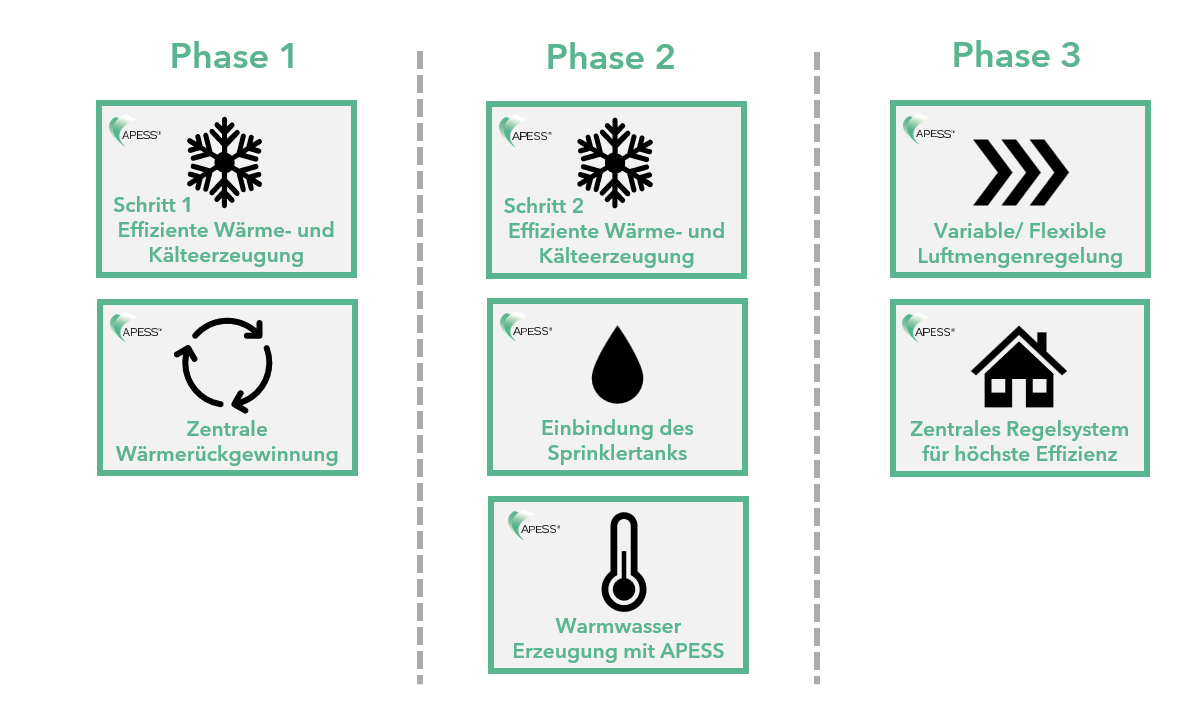
The APESS solution: A modular, three-year conversion during ongoing operations
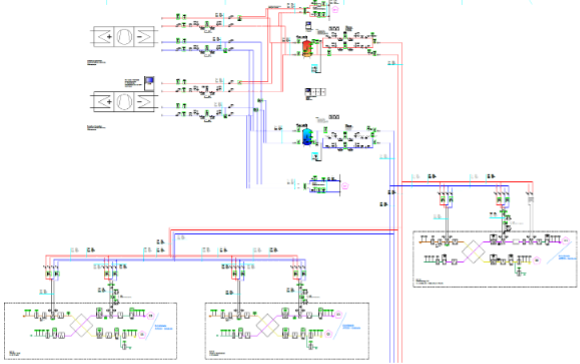
The result of the study was a comprehensive, technically sophisticated and economically highly attractive modernization concept.
Many of the old ventilation systems are installed in narrow attics. Converting them to a low-temperature level would have been expensive.
APESS eliminates the need for this conversion, as heat recovery is centralized.
A central promise:
Hospital operations will continue uninterrupted throughout the three-year project.
This is a service that only a few providers can guarantee – a real benefit that APESS offers.
Concrete results and key figures
The challenge
A patchwork of individual solutions and outdated technology were to be converted to climate-neutral operation – while the clinic continued to run.
The APESS solution
✔ Modular multi-phase plan
✔ Conversion during ongoing operations – without interruption
✔ Reduction in energy costs by more than 50 %
✔ Achievement of the hospital’s sustainability goals
Conclusion: A model that can be transferred to many hospitals
The project shows: With a tailor-made concept, a deep understanding of hospital operations and modular APESS technologies, even large energy centers can be sustainably modernized during ongoing operations.